High-Performance Polyamide Flexible Pipes

When selecting the appropriate protection for your electrical wiring, it is essential to match the conduit size to your specific cable volume and environmental needs. Our comprehensive range includes the compact PG7 Flexible Pipe and PG9 Flexible Pipe for small sensors, the mid-range PG11 Flexible Pipe, PG13.5 Flexible Pipe, and PG16 Flexible Pipe for standard industrial automation, and the heavy-duty PG21 Flexible Pipe, PG29 Flexible Pipe, PG36 Flexible Pipe, and PG48 Flexible Pipe for large-scale power distribution and complex cable bundles. Each size is engineered to provide superior mechanical protection, ensuring that your infrastructure remains organized and shielded from abrasion regardless of the installation’s scale.
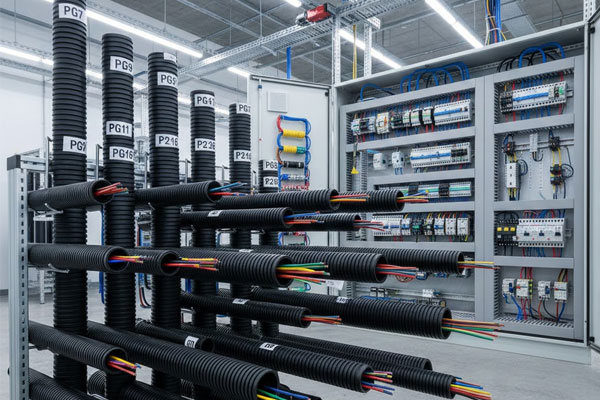
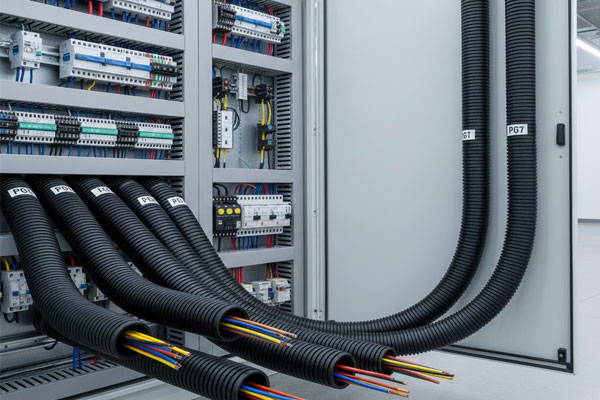
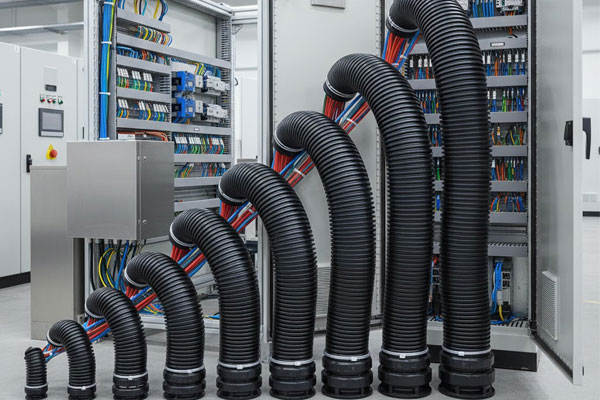
Polyamide flexible pipes PG7 to PG48 used for electrical wiring and cable protection in industrial automation and power distribution systems
Polyamide flexible corrugated pipes used as protective conduits for electrical wiring, offering flexibility, insulation, and crush resistance

What Are Polyamide Flexible Pipes?

Polyamide flexible pipes, often called conduit or corrugated tubes, are protective covers for electrical wiring. They are made from high-grade plastic (Polyamide) that can withstand heat and pressure.

  • Corrugated Design: The “ribbed” shape allows the pipe to bend easily around corners.
  • Crush Resistance: They protect wires from being pinched or stepped on.
  • Insulation: Being made of plastic, they provide an extra layer of electrical safety.
  • Lightweight: Much easier to install than heavy metal pipes.

Available Sizes – PG7 to PG48

We offer a full range of sizes to match your specific cable thickness. Choosing the right “PG” size ensures a tight fit with your connectors and glands.

  • PG7 Flexible Pipe: Best for very thin sensor wires and small electronic cables.
  • PG9 Flexible Pipe: Ideal for small control cables in tight spaces.
  • PG11 Flexible Pipe: Common for standard lighting and small motor wires.
  • PG13 Flexible Pipe: A versatile mid-size for general industrial wiring.
  • PG16 Flexible Pipe: Used for power cables in medium-sized machinery.
  • PG21 Flexible Pipe: Great for thick power lines or bundles of smaller wires.
  • PG29 Flexible Pipe: Designed for heavy-duty industrial power distribution.
  • PG36 Flexible Pipe: Used in large-scale automation and main control panels.

PG48 Flexible Pipe: Our largest size for massive cable looms and high-voltage leads

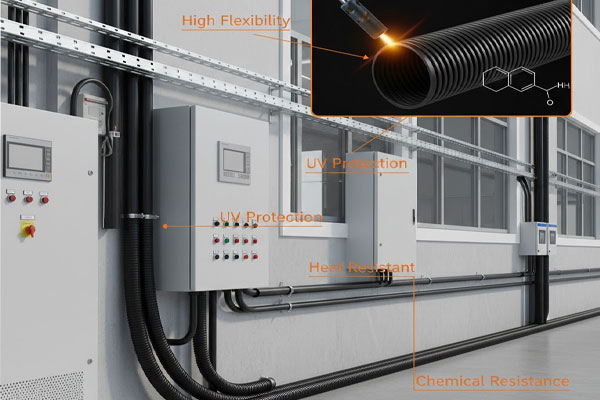
Polyamide flexible pipes showing high flexibility, heat resistance, flame retardant, chemical resistance, and UV protection for electrical wiring

Key Features of Polyamide Flexible Pipes

  • High Flexibility: Can be bent repeatedly without cracking or losing shape.
  • Temperature Resistant: Works perfectly in both freezing cold and high-heat environments.
  • Flame Retardant: Self-extinguishing material helps prevent the spread of fire.
  • Chemical Shield: Resists oil, grease, and many common industrial solvents.
  • UV Protection: Safe for use in outdoor areas with direct sunlight.

Benefits of Using Polyamide Flexible Pipes

Using these pipes solves several common industrial problems:

  1. Stop Wire Damage: Machines vibrate and move. These pipes prevent wires from rubbing against sharp metal edges, which stops short circuits.
  2. Faster Maintenance: Cables stay organized. If you need to replace a wire, it is much easier to pull it through a smooth pipe than to untangle a messy bundle.
  3. Increased Safety: By shielding high-voltage wires, you protect your workers from accidental shocks.
  4. Save Money: Because the pipes last a long time and prevent wire failure, you spend less on repairs and downtime.

Applications & Industries

Our Polyamide pipes are used across many sectors, including:

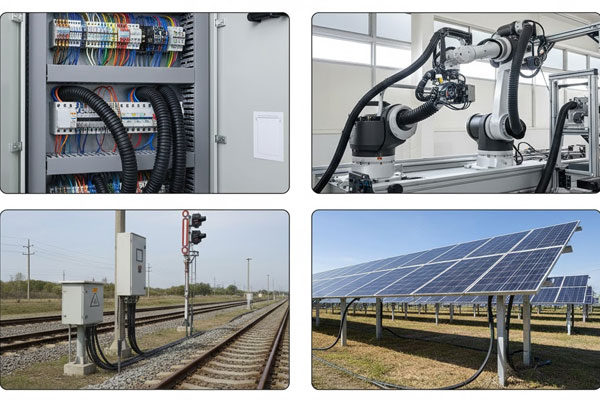
  • Electrical Panels: Keeping internal wiring neat and safe.
  • Robotics & Automation: Protecting cables on moving robotic arms.
  • Railway Industry: Wiring for trains and trackside signals.
  • Renewable Energy: Solar farms and wind turbine control systems.
  • Machine Tools: Lathes, CNC machines, and milling equipment.
  • Construction: Heavy-duty wiring for industrial buildings.
Polyamide flexible pipes used in electrical panels, robotics, railway systems, renewable energy, machine tools, and construction wiring
PG7 to PG48 polyamide flexible pipes used for industrial cable protection in control panels and machinery wiring

Leading Manufacturer of PG7 to PG48 Flexible Pipes for Industrial Cable Protection

When you choose our high-quality conduit solutions, you gain access to a complete range of sizes designed for every electrical and industrial application. We provide the compact PG7 Flexible Pipe and PG9 Flexible Pipe for delicate instrumentation, alongside the versatile PG11 Flexible Pipe, PG13.5 Flexible Pipe, and PG16 Flexible Pipe for standard control panels and machinery. For more demanding environments requiring high-capacity cable management, we offer the heavy-duty PG21 Flexible Pipe, PG29 Flexible Pipe, PG36 Flexible Pipe, and the robust PG48 Flexible Pipe. Each product in our lineup is engineered to meet international industrial standards, ensuring long-term reliability and superior protection against harsh conditions.

How to Select the Right PG Size

Follow these simple steps to pick the right pipe:

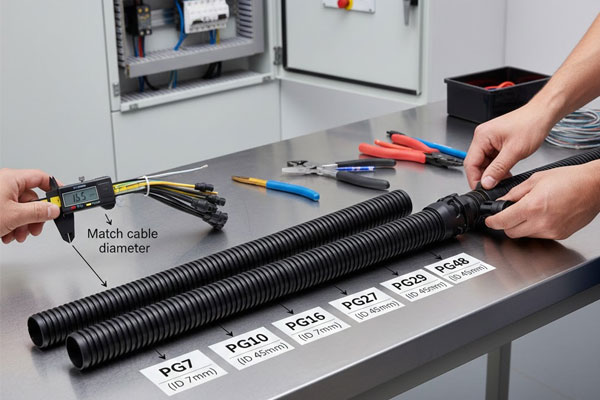
  1. Measure Your Cables: Calculate the total diameter of all the wires going into the pipe.
  2. Leave Room: Don’t pack the pipe 100% full. Leave about 25% extra space for heat dissipation and easy pulling.
  3. Check Your Connectors: Match the pipe size to your cable glands. If you use a PG21 gland, you must use a PG21 Flexible Pipe.
  4. Consider the Bend: If the pipe needs to make sharp turns, a slightly larger size can make the wires slide through more easily.
Guide image showing how to select the right PG size flexible pipe by measuring cable diameter and matching cable glands

More About Polyamide Flexible Pipes

Advanced Material (PA6)

Most of our pipes are made from Polyamide 6 (PA6). This material is famous in the industrial world for being “tough as nails.” Unlike cheaper PVC pipes, PA6 does not get soft in the heat or shatter when it’s cold. It maintains its strength even after years of use in a busy factory.

Performance in Harsh Environments

Industrial floors are messy. There is often oil, cooling fluid, and dust everywhere. Polyamide pipes are designed to be “non-reactive.” This means if oil spills on the pipe, it won’t melt or become sticky. This protection keeps the expensive copper wires inside as clean as the day they were installed.

Indoor & Outdoor Versatility

You can use these pipes inside a temperature-controlled server room or outside on a rooftop solar installation. They are treated to handle UV rays, so they won’t turn yellow or become flaky when exposed to the sun.

Mechanical & Electrical Protection

Mechanically, these pipes act like armor. If a tool falls on the conduit, the pipe absorbs the impact. Electrically, Polyamide is a great insulator. It provides a secondary “skin” for your wires, which is vital for meeting modern safety building codes.

Long-Term Cost Savings

While some people try to save money by using thin plastic tubing, it usually fails within a year. Replacing damaged wiring is expensive because you have to turn off the machines. Investing in Polyamide Flexible Pipes PG7 to PG48 means you install it once and forget about it. The “total cost of ownership” is much lower because the maintenance needs are almost zero.

Frequently Asked Questions

Are these pipes waterproof?

When used with the correct sealed connectors, these pipes offer excellent protection against splashing water and dust (IP65 or higher).

Can I use these for moving machine parts?

Yes! Polyamide is perfect for “dynamic” applications where the pipe needs to bend and move constantly.

What is the temperature range for these pipes?

Typically, they can handle temperatures from -40°C up to +120°C for short periods.

Is it easy to cut the pipe?

Yes, you can cut them to your desired length using a standard sharp knife or specialized conduit cutters

Do these pipes come in different colors?

The most common colors are Black and Grey, which help with UV resistance and matching industrial machinery.