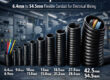
Industrial Electrical Safety with Polyethylene Flexible Conduit Pipes
In any industrial setting, the safety of electrical wiring is a top priority. Exposed cables are prone to damage, which can lead to short circuits, machine downtime, or even fire hazards. A Polyethylene Flexible Conduit Pipe is a specially designed protective tube used to house and electrical wires. These pipes act as a tough outer shell, ensuring that power and data lines remain functional even in harsh working conditions.
Electrical cable safety is vital because industrial environments are full of movement, heat, and chemicals. Without proper shielding, cables can easily fray or break. By using high-quality conduit pipes, industries can organize their wiring systems and prevent accidental contact with moving parts. This not only keeps the facility safe but also extends the life of expensive electrical equipment.

What is a Polyethylene Flexible Conduit Pipe?
A Polyethylene (PE) flexible conduit pipe is a lightweight, ribbed tube used to provide a protected pathway for electrical bundles. Unlike rigid pipes, these are designed to bend and curve easily without breaking. This flexibility is essential for wiring machinery that moves or for installations in tight, awkward spaces where straight pipes simply won’t fit.
The main advantage of using polyethylene as a material is its excellent balance of strength and flexibility. It is resistant to many chemicals and does not rust like metal conduits. This makes it a preferred choice for modern industrial installations where ease of handling and long-term durability are required.
Why Electrical Cable Protection is Important
Industrial environments pose several risks to “naked” or unprotected cables. Understanding these risks helps in choosing the right protection strategy:
- Mechanical Damage: Heavy machinery, foot traffic, and sharp edges can crush or cut through wire insulation.
- Heat Exposure: Constant high temperatures can cause cable jackets to melt or become brittle over time.
- Moisture and Chemicals: In many factories, exposure to oils, cleaning agents, or water can lead to corrosion and electrical failure.
- Bending and Vibration: Machines that vibrate constantly can cause cables to rub against surfaces, leading to “wear and tear” that eventually breaks the internal copper strands.
How Polyethylene Flexible Conduit Pipes Improve Cable Safety
Enhanced Protection for Industrial Electrical Cables
Industrial environments expose electrical wiring to constant movement, equipment vibration, and physical stress. Polyethylene flexible conduit pipes create a protective channel that shields cables from abrasion, pressure, and accidental impact. Their flexible structure allows wires to pass safely through machines, control panels, and tight installation areas without damaging the cable insulation. By maintaining a secure pathway for wiring, these conduits help reduce the risk of electrical faults and improve the reliability of industrial power systems.
Reliable Cable Safety in Harsh Working Conditions
Factories and industrial facilities often contain dust, moisture, oil, and temperature variations that can affect electrical wiring. Polyethylene flexible conduit pipes act as a protective barrier that helps keep cables safe from environmental exposure. The durable polyethylene material resists corrosion and wear, ensuring that cables remain insulated and protected over long operating periods. This added protection supports safer electrical installations and helps maintain stable performance in demanding industrial applications.
Where Do We Use These Pipes?
You can find these protective solutions almost everywhere you look. They are essential for a wide range of buildings:
Polyethylene Flexible Conduit Pipe Size Guide
| Conduit Size | Typical Use | Cable Capacity | Application |
| 6.4mm / 9mm | Small Sensors | 1-2 thin wires | Precision electronics |
| 10mm / 11.8mm | Signal Cables | 2-3 thin wires | Data transmission |
| 13mm / 13.5mm | Standard Power | 3-4 small wires | Light machinery |
| 15.8mm / 18.5mm | Control Wiring | Small wire bundles | Distribution boards |
| 21.2mm / 21.8mm | General Industrial | Medium bundle | Motor connections |
| 27.8mm / 28.5mm | Heavy Power | Large bundle | Main supply lines |
| 34.5mm / 36mm | Multiple Circuits | Thick cables | Factory floor wiring |
| 42mm / 46.5mm | Main Feeders | Very large cables | Sub-stations |
| 54.5mm | Bulk Trunking | Maximum capacity | Heavy infrastructure |
Flexible Conduit Pipe
Flexible Conduit Pipe
Flexible conduit pipes are manufactured using materials like PVC, polyethylene, and metal, each chosen for specific electrical and environmental requirements.
Understanding Polyethylene Flexible Conduit Technology
Polyethylene flexible conduit pipes are widely used to protect electrical cables in modern wiring systems. These pipes are made from strong polyethylene material that combines flexibility with durability. This allows cables to move slightly during installation or operation without damaging the wire insulation. The flexible design makes it easier to route cables through machines, control panels, and tight industrial spaces.
Another important benefit of polyethylene flexible conduit pipes is their resistance to moisture, dust, and many industrial chemicals. This protective barrier helps prevent environmental damage that could affect cable performance. Many conduit pipes also feature a corrugated outer structure that increases strength while maintaining flexibility, while the smooth inner surface allows cables to slide easily during installation.
By using polyethylene flexible conduit pipes, industries can improve electrical cable safety and reduce the risk of mechanical damage or insulation wear. These conduits help maintain organized wiring systems, support reliable electrical performance, and provide long-lasting cable protection in factories, automation systems, and infrastructure projects.
FAQ Section
It is used to protect and route electrical wiring in machinery, buildings, and industrial control systems.
It depends on the number of wires. For a single power cable, 13mm or 15.8mm is common, while large bundles may require 34.5mm or higher.
Yes, polyethylene is highly resistant to weather and UV rays, making it great for outdoor use.
Flexible conduit can bend around corners easily, while rigid conduit is straight and requires separate elbow joints to change direction.
They provide a physical shield against cuts, moisture, chemicals, and extreme temperatures.
Yes, because it is lightweight and flexible, one person can usually handle the installation with basic tools.
Yes, it is often used for underground runs because it does not rust or corrode in soil.
By preventing short circuits caused by damaged wires, it significantly reduces the risk of electrical fires.
Choosing the Right Polyethylene Flexible Conduit Pipe
Selecting the correct polyethylene flexible conduit pipe is essential for maintaining electrical cable safety in industrial wiring systems. The right conduit size and quality help protect cables from external pressure, vibration, and accidental damage during operation. Flexible conduits also allow cables to move slightly without stressing the insulation, which helps maintain the reliability of electrical connections.
Using high-quality polyethylene flexible conduit pipes from a reliable manufacturer ensures better cable organization and long-term protection. A well-chosen conduit system supports safer electrical installations, reduces maintenance problems, and helps industrial wiring systems operate efficiently for many years.