Why Choosing the Correct Diameter for Your Flexible Pipe is Critical
Picking the right size for your PE Flexible Pipe is the secret to a long-lasting and safe electrical system. While electricity powers our modern world, it requires a clear and protected path to travel through without causing risks like overheating or short circuits. In this guide, we break down why choosing the correct diameter for your Flexible Pipe is a critical step for any project, whether it’s a small home fix or a massive industrial setup. By selecting the proper size, you ensure your cables stay cool, protected from damage, and ready to perform for years to come.
⇒ What is a PE Flexible Pipe?
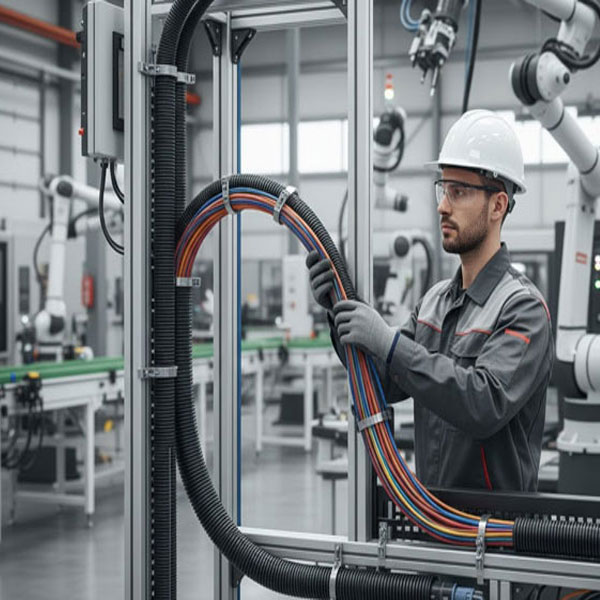
A PE Flexible Pipe acts as a durable safety corridor for your electrical cables. Think of your wires as delicate strands that can be easily damaged if they are left exposed or stepped on. These pipes act as a tough outer layer that shields those wires from harm. Because it is a Flexible Duct, it can easily curve around obstacles and fit into tight gaps where a stiff, straight pipe would fail. These conduits are made from high-strength plastic designed to withstand industrial conditions for a very long time
⇒ Why Does Pipe Size Matter?
Think of a Flexible Pipe as a protective tunnel for your wires. If the tunnel is too small, the wires get squished together, which can make them get too hot and even start a fire. If the tunnel is too big, you are spending more money than you need to. A PE Flexible Pipe is designed to bend around corners and squeeze into tight spots, but you must pick a size that gives your wires plenty of “elbow room.” This keeps the electricity flowing safely and makes it much easier to add more wires later if you need to.
How PE Flexible Pipe size Protect Electrical Wiring
⇒ Smart Flexibility for Safe Cable Routing
Modern electrical installations often require cables to pass through compact spaces, machinery structures, and complex layouts. Flexible conduit pipes allow wiring to move smoothly around bends and obstacles without creating stress points. This reduces the need for multiple joints and helps maintain a continuous protective pathway, improving installation efficiency and overall wiring safety.
⇒ Long Service Performance
Flexible conduit pipes safeguard electrical wiring from vibration, moisture, dust, and mechanical impact during daily operation. Their durable yet flexible design absorbs movement and prevents cable insulation damage over time. By minimizing wear and environmental exposure, flexible conduits help extend cable lifespan and ensure dependable electrical performance for years.
Where Do We Use These Pipes?
You can find these protective solutions almost everywhere you look. They are essential for a wide range of buildings:
Comparison of Piping Features
| Feature | Flexible Conduit | Standard Rigid Pipe |
| Ease of Bending | Very Easy | Needs special tools to bend |
| Installation Speed | Fast | Slower (needs many joints) |
| Protection Level | High | High |
| Best For | Corners and tight gaps | Long, straight walls |
| Durability | Long-lasting | Long-lasting |
PE Flexible Pipe
PE Flexible Pipe
Understanding PE Flexible Pipe Technology
A PE FLEXIBLE PIPE is commonly produced using high-quality polyethylene material designed specifically for electrical cable protection. This advanced polymer offers a strong balance between flexibility and durability, allowing cables to move safely without being exposed to mechanical damage or environmental stress.
Polyethylene construction provides natural resistance against moisture, corrosion, and many industrial chemicals, making the PE FLEXIBLE PIPE suitable for demanding indoor and outdoor installations. Its corrugated exterior improves impact strength, while the smooth internal surface supports easy cable routing and minimizes installation effort.
Modern electrical systems depend on reliable protection solutions, and selecting a certified PE FLEXIBLE PIPE helps maintain cable integrity, improves operational safety, and ensures long-term performance in automation, infrastructure, and industrial applications.
Frequently Asked Questions
A PE FLEXIBLE PIPE offers higher flexibility and impact resistance compared to traditional PVC conduits. It can handle vibration, movement, and dynamic installations without cracking or breaking.
Yes, a PE FLEXIBLE PIPE is widely used for underground applications because polyethylene material resists moisture, soil chemicals, and corrosion, ensuring long-term cable safety.
Absolutely. Due to its flexible structure, a PE FLEXIBLE PIPE performs well in machines, robotics systems, and automation equipment where cables experience constant movement.
The recommended method is to calculate total cable bundle diameter and keep approximately 50% internal space free for airflow, heat dissipation, and easier cable pulling inside the PE FLEXIBLE PIPE.
Yes. A PE FLEXIBLE PIPE protects wiring against dust, water exposure, UV radiation, vibration, and minor mechanical impacts commonly found in industrial environments.
Choosing the Right PE Flexible Pipe
Selecting the correct PE FLEXIBLE PIPE is important for safe and reliable cable installations. It provides flexibility, strong protection, and long service life for electrical wiring in industrial, commercial, and infrastructure projects.
A properly selected PE FLEXIBLE PIPE protects cables from moisture, vibration, and mechanical damage while making installation easier and more efficient. Choosing quality conduit solutions helps reduce maintenance issues and ensures smooth electrical system performance for years.
Using certified PE FLEXIBLE PIPE products from a trusted manufacturer ensures better safety, durability, and dependable cable management for modern installations.