How to Achieve Safer Wiring Layouts with PG7 to PG48 Conduit Sizing
Selecting the correct PG Flexible Conduit size is one of the most important steps in building a safe and efficient electrical installation. Modern electrical systems carry sensitive power and control signals that must travel through properly protected pathways. A conduit that is too tight can stress cables, while an oversized conduit may increase installation costs and reduce system organization.
This guide explains how to choose the correct PG Flexible Conduit size from PG7 to PG48, helping electricians, panel builders, and engineers achieve safer wiring layouts. By understanding sizing principles, cable capacity, and installation requirements, you can ensure reliable performance and long-term electrical safety across residential, commercial, and industrial applications
⇒ What Is a PG Flexible Conduit?
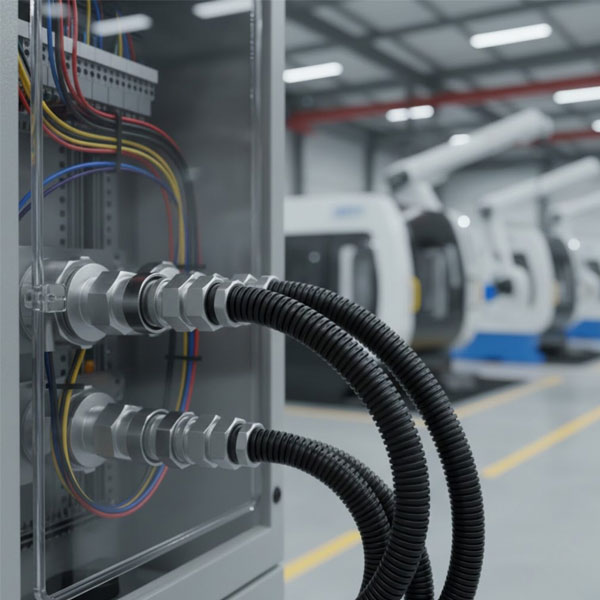
A PG Size Flexible Conduit is a corrugated cable protection system designed to match standardized PG gland sizes, ensuring accurate and secure cable entry into electrical panels and equipment enclosures. These conduits provide excellent flexibility while maintaining strong mechanical protection for electrical wiring.
PG size classification helps installers select the correct conduit diameter based on cable capacity and application needs. Commonly used sizes include PG7, PG9, PG11, PG13.5, PG16, PG21, PG29, PG36, PG42, and PG48, covering everything from small signal cables to large industrial power wiring.
Unlike rigid pipes, PG Size Flexible Conduits easily route around machines, corners, and confined spaces without requiring multiple joints. This improves installation speed, reduces cable stress, and ensures professional cable management across automation systems, control panels, infrastructure projects, and industrial installations.
⇒ Why Conduit Size Selection Is Important
Choosing the correct PG Size Flexible Conduit is essential for electrical safety and long-term system performance. Each PG size is designed to accommodate specific cable bundle diameters and installation requirements.
Selecting the proper conduit size such as PG7 or PG9 for sensors, PG11 or PG13.5 for control wiring, PG16 and PG21 for machinery connections, or larger sizes like PG29, PG36, PG42, and PG48 for heavy-duty power distribution ensures cables remain protected and properly ventilated.
- Cables may overheat
- Installation becomes difficult
- Cable insulation can wear prematurely
Correctly selected PG Size Flexible Conduit systems allow sufficient airflow, minimize mechanical stress, and provide space for future cable expansion, resulting in safer and more reliable electrical installations.
How PG Flexible Conduit Pipes Protect Electrical Wiring
⇒ Selecting the Correct Size for Efficient Cable Routing
Choosing the right PG Flexible Conduit size is essential for smooth and organized cable installation. Smaller sizes like PG7 to PG11 are ideal for compact control panels, sensors, and light wiring where space is limited. Medium sizes such as PG13.5 to PG21 work well for machinery connections and general industrial wiring. For heavy cable bundles or power applications, larger conduit sizes PG29 to PG48 provide enough internal space to prevent cable compression, overheating, and installation difficulty. Proper sizing ensures easy pulling of cables, neat routing, and reduced stress on electrical connections.
⇒ Ensuring Protection, Safety, and Long-Term Performance
Selecting the correct PG conduit size also improves safety and durability of the entire electrical system. A properly sized flexible conduit allows cables to move slightly during vibration, thermal expansion, or machine operation without damage. Oversized conduits help maintain airflow and reduce heat buildup, while undersized conduits may cause bending pressure or insulation wear. By matching conduit size with cable diameter and quantity, installers achieve reliable protection against dust, moisture, and mechanical stress, ensuring stable performance and longer service life for wiring installations.
Where Do We Use These Pipes?
You can find these protective solutions almost everywhere you look. They are essential for a wide range of buildings:
Comparison of Piping Features
| Feature | PG Flexible Conduit | Traditional Rigid Conduit |
| Flexibility | Highly Flexible | Limited Flexibility |
| Installation Time | Quick Installation | Requires More Fittings |
| Cable Protection | Excellent | Excellent |
| Ideal Usage | Machines & Panels | Straight Cable Runs |
| Adaptability | Fits Tight Spaces | Best for Fixed Routes |
PG Flexible Conduit
PG Flexible Conduit
PG Flexible Conduits are designed in standardized sizes from PG7 to PG48 to match different cable capacities and installation needs.
Understanding PG Flexible Conduit Technology
A PG FLEXIBLE CONDUIT is manufactured using durable polymer materials engineered for cable management applications. The design combines flexibility with structural strength, allowing conduits to withstand vibration, bending stress, and industrial movement.
The corrugated outer structure improves compression resistance, while the smooth internal surface allows cables to slide easily during installation. This reduces pulling force and prevents insulation damage.
High-quality PG FLEXIBLE CONDUIT systems also offer resistance to oils, moisture, dust, and chemicals, making them suitable for automation systems, electrical panels, robotics equipment, and outdoor installations.
Frequently Asked Questions
PG refers to a standardized cable gland sizing system that defines conduit and entry dimensions.
Select based on total cable diameter and required spare space. Larger cable bundles generally require PG21.
Yes, high-quality PG FLEXIBLE CONDUIT products are designed to resist moisture, UV exposure, and environmental conditions.
Yes. Their flexible construction allows safe use in machinery, robotics, and automation systems
Extra space improves airflow, prevents overheating, and simplifies cable replacement or expansion.
Choosing the Right PG Flexible Conduit
Selecting the correct PG FLEXIBLE CONDUIT size ensures efficient cable routing, improved safety, and long-lasting electrical performance. Proper sizing reduces installation challenges while protecting cables from vibration, environmental exposure, and mechanical damage.
Using standardized PG sizes from PG7 to PG48 allows engineers and installers to create organized, professional wiring systems across control panels, machinery, infrastructure projects, and industrial automation environments.
Investing in high-quality PG FLEXIBLE CONDUIT solutions helps deliver dependable cable protection and reliable electrical performance for modern installations.