How Can Cable Protection Support Modular Harness Design?
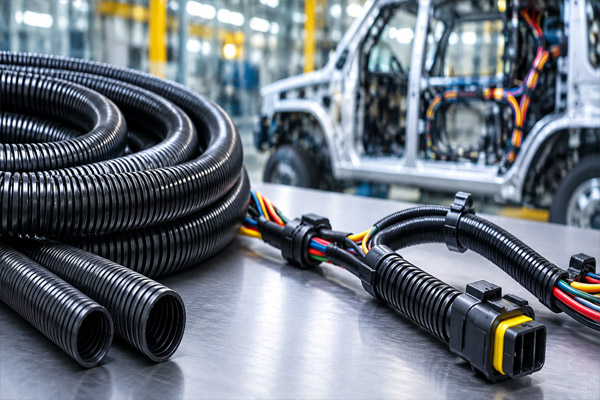
Wire loom convoluted tubing helps organise and mechanically protect wire bundles in vehicle harnesses. In a modular design, its layout should also leave suitable access to connectors and branches so individual sections can be assembled, inspected and serviced.
Imagine replacing a sensor and finding its connector difficult to reach because the surrounding loom was never planned for maintenance. The tubing may cover the wires, yet its position makes a simple service task more awkward.
As vehicle manufacturers develop more modular electrical layouts in 2026, these practical details deserve attention. Cable protection works best when it fits the harness design, installation process and future service needs from the beginning.
Why Modular Harnesses Change the Tubing Layout
A modular harness divides wiring into defined sections that connect different parts of a vehicle. Some newer electrical architectures organise connections around physical areas, often called zones.
This approach changes where bundles meet, where branches leave the main route and which sections need to be disconnected during service.
The tubing layout should follow those boundaries. A branch serving a replaceable component needs protection along its route while leaving the connector accessible.
Discuss the complete harness drawing during product selection. Knowing where a section begins, ends and connects gives the supplier more useful information than the total tubing length alone.
Convoluted and Slit Describe Different Features
Convoluted describes the ribbed shape of the tubing. Slit describes an opening along its length. A convoluted tube can therefore be supplied in slit or non-slit form.
Slit tubing can be fitted around a suitable wire bundle after connectors are already attached. Non-slit tubing generally needs the wires to be fed through it during an earlier assembly stage.
Choose the opening style around the harness build sequence and required protection. Also consider how the tubing will close, remain in position and work with the proposed attachments during normal vehicle use.
Check Size Where the Bundle Needs the Most Space
A harness rarely keeps exactly the same shape along its entire length. Wire branches, splices and changes in cable quantity can affect the space required.
Measure the actual bundle at the relevant sections and compare those measurements with the tubing’s usable internal diameter. Check the outside diameter too, because clips and installation gaps need to accommodate it.
An oversized tube can create unnecessary bulk. An undersized one can make assembly difficult and prevent slit edges from closing as intended.
Use a representative harness sample to assess fit around bends and branches. Agree the clearance with the harness designer rather than relying on wire count alone.
Match the Material to Its Position in the Vehicle
A protected cabin route faces different conditions from wiring near heat sources, moving components or exposed underbody areas.
Identify the temperature range, abrasion, vibration and possible contact with oils, cleaning products or other fluids at each location. Outdoor exposure may also call for a suitable UV-resistant grade.
Polyamide PA-6, polypropylene and polyethylene offer different properties, and performance varies between specific grades.
Ask for technical information covering the proposed product and operating conditions. Where flame behaviour or another test requirement is specified, request the relevant evidence for that grade.
Colour and general appearance cannot establish these properties. Keep the material selection tied to the vehicle programme’s actual requirements.
Separate Vibration from Repeated Bending
A harness secured along a vehicle frame may experience vibration while staying broadly in place. A door or tailgate harness moves through a repeated opening and closing cycle.
Flexibility during installation does not establish suitability for continuous or repeated movement. Moving sections need assessment of the tubing, cables, bend radius, supports and available travel.
Describe the motion to the supplier and request relevant performance information. A sample evaluation should reflect the intended movement and mounting arrangement.
Evaluate the Tubing with Its Clips and End Connections
The tube is one part of the installed protection system. Clips, holders, branch pieces and connector interfaces influence how the harness stays supported.
Check that attachments suit the tubing dimensions and profile. Their positions should support the intended route without creating unwanted tension near connectors or restricting necessary movement.
Technicians should be able to reach the relevant connector or removable section using the approved service procedure.
If water or dust protection is required, assess the complete assembly. The presence of corrugated tubing alone does not establish a sealed connection.
Keep Production and Replacement Requirements Aligned
Record the tubing reference, material grade, dimensions, cut lengths and opening style against the harness drawing. Include the relevant attachments and drawing revision.
When a vehicle variant adds a branch or changes a connector position, review the affected tubing section. That keeps purchasing information aligned with what the assembly team actually needs.
The same records help service teams identify suitable replacement parts. Clear references reduce the chance of ordering tubing that looks similar but differs from the approved specification.
Discuss Your Harness Requirements with Usha Plastiflex
Usha Plastiflex manufactures flexible conduit products in Ahmedabad, Gujarat. Its range includes PA-6, polyethylene and polypropylene options, with slit and non-slit products available across relevant categories.
Harness manufacturers, automotive suppliers and equipment buyers in Ahmedabad, across Gujarat and elsewhere in India can share their application details with the team.
Provide the harness layout, bundle dimensions, required material properties, movement conditions and quantity. Include any specified test or approval requirements.
Discuss available products, sample evaluation, supply lengths and delivery arrangements before finalising the order.
Conclusion
Wire loom convoluted tubing should fit the way a vehicle harness is built, connected and maintained. Clear branches, accessible connectors and suitable materials help create a practical protection layout.
Contact Usha Plastiflex with your harness drawing, operating conditions and quantity requirements to discuss suitable product options. Evaluate the proposed configuration before approving it for repeat production.
Frequently Asked Questions
Yes, suitable slit tubing can be fitted around bundles with connectors already attached. Check the bundle fit, closure and attachments against the intended application before approving the product.
Measure the bundle at each relevant section, including branches and splices. Compare those measurements with the usable internal diameter and assess the fit using a representative harness sample.
Select the specific grade according to temperature, abrasion, fluid exposure, UV conditions and movement. Share the installation location and vehicle requirements with the supplier before choosing a material.
Water resistance depends on the complete assembly, including openings, joints and connector interfaces. Request evidence for the proposed protection system when a defined sealing performance is required.
Suitability needs confirmation for the repeated movement. Ask for relevant bending performance information and evaluate the tubing with the actual cables, supports and available movement space.
It may, if the same product meets each variant’s bundle dimensions and operating conditions. Assess the differences before approving a shared reference for production and replacement orders.
Send the required dimensions, material properties, slit or non-slit preference, quantity and delivery location. Include the harness drawing, operating conditions and any specified testing or documentation requirements.