How to Plan Cable Protection During Machine Wiring Upgrades
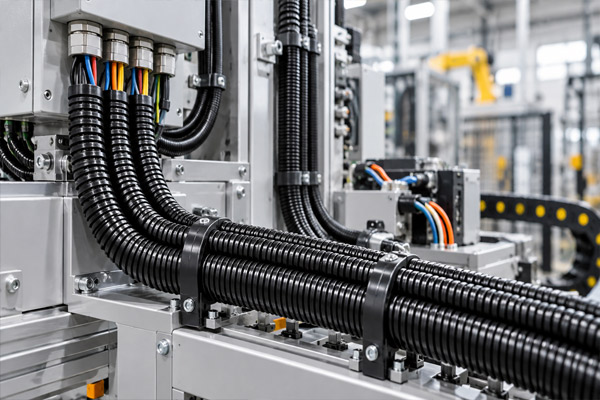
Flexible Corrugated COT Tubes help route and cover electrical cables around equipment where a flexible protective sleeve is needed. During a wiring upgrade, select the tube according to cable dimensions, access needs, movement and environmental exposure. The right choice must fit both the wiring bundle and the machine layout.
Adding a sensor, replacing a motor cable or changing a control panel can alter an existing cable route. A protective tube that worked for the original wiring may no longer suit the revised installation.
This guide explains how maintenance teams and equipment buyers can plan cable protection before ordering tubes for a machine upgrade.
What Are Flexible Corrugated COT Tubes
In cable protection enquiries, COT tubes commonly refer to convoluted or corrugated protective tubing. Their ribbed structure allows the tube to bend along a cable route while providing a covering around the wires.
However, the term COT alone does not define the material, dimensions or performance rating. Buyers should confirm the supplier’s exact product description before approving an order.
Corrugated cable protection tubes are different from fluid transfer hoses. Do not assume a tube intended for wiring is suitable for carrying water, air or chemicals under pressure.
When Does Existing Cable Protection Need Review
Review the protective tubing whenever a wiring change affects cable quantity, bundle diameter or routing. Also inspect areas where cables pass close to brackets, enclosure edges and moving components.
An upgrade may create a tighter bend or place the tubing near a hotter surface. These changes can make the previous selection unsuitable even when the new cable fits inside.
Look for:
- Cracked or flattened tubing.
- Open sections exposing the cable bundle.
- Loose supports or damaged end connections.
- Repeated rubbing against machine parts.
- Stretched tubing at bends.
- Cable routes that restrict maintenance access.
Replacing damaged tubing without correcting the cause may lead to the same problem again.
Should You Choose Slit or Non Slit Tubing
Slit tubing has a lengthwise opening that can be placed around existing cables. This can help during retrofits when cable ends are already connected and disconnection would require additional work.
Non slit tubing forms a continuous sleeve. Installation generally requires feeding cables through the tube, so cable ends and connector dimensions must be considered.
| Installation Condition | What Buyers Should Assess |
| Existing connected wiring | Whether slit tubing allows suitable access. |
| New cable installation | Whether non slit tubing suits the assembly sequence. |
| Frequent wiring inspection | Access requirements and secure cable coverage. |
| Water or dust exposure | Protection rating of the complete assembly. |
| Repeated machine movement | Documented suitability for the motion involved. |
Slit tubing should not be treated as a sealed enclosure. Where ingress protection is required, confirm the complete tube and fitting arrangement.
How Much Space Should the Cable Bundle Have
Measure the complete cable bundle, including insulation and any connectors that must pass through the tubing. Compare those measurements with the tube’s usable inner diameter.
A close physical fit does not prove that there is enough clearance for installation, bending or applicable wiring requirements. Several cables also create an irregular bundle with spaces between them.
For example, adding a feedback cable beside an existing motor cable can change both bundle size and routing needs. Check any required separation between power and signal cables before placing them together.
Record inner diameter and outer diameter separately. Inner diameter affects cable space; outer diameter affects clips, fittings and installation clearances.
Why Movement and Bend Radius Matter
A tube that bends easily by hand is not automatically suitable for continuous machine movement. Occasional adjustment, vibration and repeated flexing create different demands.
Ask for the minimum bend radius and available information on dynamic use. Check the cable manufacturer’s bending limits too, because both the cable and protective tubing must suit the route.
Leave suitable movement allowance without creating loops that can catch on equipment. Use appropriate supports and strain relief so the protective tube does not carry the cable’s weight or transfer pulling force to terminals.
Which Environmental Details Should You Share
Tell the supplier where the tubing will operate. Material selection should reflect actual conditions rather than broad descriptions such as industrial grade.
Useful details include:
- Normal and peak temperatures.
- Contact with oils, coolants or cleaning agents.
- Exposure to sunlight.
- Abrasion and impact risks.
- Required flame performance.
- Indoor or outdoor installation.
Chemical resistance, UV resistance and flame retardant performance depend on the specific product grade. Request relevant specifications instead of assuming every corrugated tube offers the same protection.
How to Prepare a Purchase Enquiry
Send the supplier a cable measurement, a route photograph and a short description of the upgrade. Include required length, material preference, construction, accessories and delivery location.
Buyers in Ahmedabad and Gujarat can discuss these requirements with Usha Plastiflex when sourcing cable protection tubing. For equipment production or repeat maintenance work, ask about consistent product identification and packing lengths.
Request a sample where practical. Check cable fit, routing, support compatibility and access on the actual machine before approving a larger quantity.
Conclusion
Flexible Corrugated COT Tubes should be selected around the upgraded wiring arrangement. Check cable space, construction, bending limits and environmental suitability together. A clear specification and a practical fit check help maintenance teams avoid ordering tubing that needs further changes during installation.
Frequently Asked Questions
Slit tubing may allow installation around connected cables. Confirm that this construction suits the required coverage, routing and operating environment before ordering.
Provide the cable bundle diameter, required tube inner and outer diameters, route length and connector dimensions where relevant. Include quantity and construction preference.
Select the material against temperature, chemical exposure, abrasion and movement requirements. Ask the supplier to recommend a specific grade with supporting product details.
No. Request information covering the intended bending frequency and movement. General flexibility does not establish suitability for continuous motion.
Ask about compatible accessories with the tubing enquiry. Confirm the tube profile, outer diameter and connection requirements before approving them.
Compare the same material, dimensions, construction, performance specifications and supplied length. Include accessories, freight and packing quantities in the comparison.
A sample check is useful for new installations or changed specifications. Assess fit and routing first, then confirm any performance requirements through product documentation.