Why Smart Factories Need Flexible Cable Protection
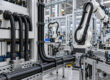
Modern factories are becoming more connected. Machines now use sensors, PLC systems, servo motors, robots, cameras and automated production equipment that depend on reliable electrical and data cables. These cables often pass through tight spaces and areas with regular movement, vibration, dust and moisture.
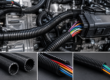
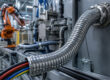
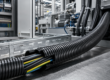
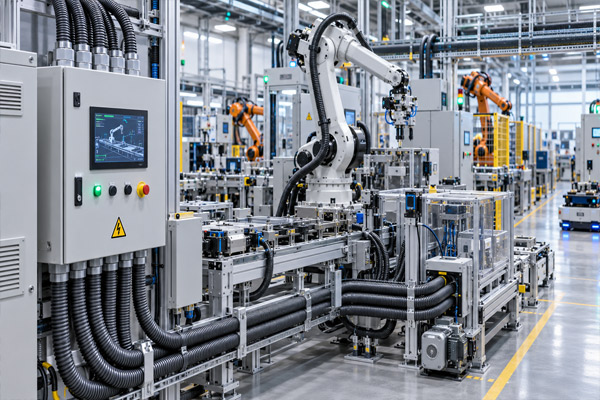
A Non-metallic Flexible Conduit Pipe provides a practical way to protect these cables while allowing the wiring route to remain flexible. Unlike rigid cable protection, flexible conduit can follow machine layouts, curves and moving sections more easily.
For factories upgrading toward automation and smart manufacturing, choosing the right cable protection is becoming an important part of electrical planning.
More Sensors Mean More Cables
A traditional production machine may use only a limited number of electrical cables. A smart machine can contain many additional connections for sensors, monitoring devices, encoders, control systems and communication equipment.
This creates a new challenge. More cables need to be organised without making the machine difficult to inspect or maintain.
Flexible conduit helps group and protect these wires while creating a cleaner cable route. It can also make it easier for maintenance teams to identify wiring paths during inspection, repair or future machine modification.
Flexible Conduit Works Well Around Automated Machinery
Industrial automation equipment rarely has completely straight cable routes. Wires may need to pass around motors, control panels, machine frames and compact components.
Non metallic conduit can bend around such areas without requiring the multiple rigid fittings that may be needed with some traditional piping arrangements.
This makes it useful around:
CNC machines
Packaging machinery
Automated assembly lines
Conveyor systems
Control panels
Sensors and actuators
Material handling equipment
Robotic systems
The actual conduit material and design should always be selected according to movement, temperature and environmental conditions.
Cable Protection Matters in Predictive Maintenance
Smart factories increasingly use sensors to monitor machine condition. These sensors may collect information about vibration, temperature, pressure, speed and other operating conditions.
However, sensor performance depends on reliable wiring.
If a sensor cable becomes damaged because of abrasion, vibration or poor routing, incorrect information or communication failure can affect the monitoring system. Protecting the cable is therefore part of maintaining the reliability of connected machinery.
A properly selected conduit helps protect these smaller control and signal cables from regular industrial exposure.
Why Non Metallic Materials Suit Modern Plants
One useful feature of non metallic conduit is corrosion resistance. Metal components may need additional consideration in wet, chemical or corrosive environments, while suitable plastic conduit materials do not rust.
Non metallic conduit is also lightweight, which can make routing and installation easier in machinery and electrical panels.
Depending on the application, conduit options may include materials such as Polyamide PA6, Polyethylene and Polypropylene. Each material has different performance characteristics, so buyers should not select conduit only by size or appearance.
Temperature, chemical exposure, flexibility, flame requirements and mechanical stress should also be considered.
Slit or Non Slit Conduit for Factory Upgrades
Smart factory projects do not always begin with a completely new production line. Many manufacturers upgrade existing machines by adding sensors, automation devices and monitoring equipment.
In these situations, slit conduit can be useful because it can be installed around wiring that is already in place.
Non slit conduit is generally considered when cables can be inserted during the original installation.
Choosing between these options depends on whether the project is a new installation, machine retrofit or maintenance upgrade.
Plan for Future Cable Expansion
Factories continue to change after equipment is installed. A machine may later receive extra sensors, cameras, safety systems or communication devices.
When selecting conduit, engineers should think about possible future cable additions rather than filling the internal space completely from the beginning.
A suitable conduit diameter can make future modification easier and reduce the need to replace the complete cable protection system when new wiring is added.
However, excessive unused space is also unnecessary. Conduit size should be based on the cable bundle, installation requirements and future expansion plans.
What Industrial Buyers Should Specify Before Ordering
Purchasing teams can get a more accurate quotation by sharing clear application details with the manufacturer or supplier.
Useful information includes conduit size, cable quantity, material preference, slit or non slit requirement, operating temperature, movement conditions, chemical exposure, flame resistance requirements and required quantity.
For automation applications, buyers should also explain whether the conduit will remain stationary or experience regular bending and vibration.
Usha Plastiflex manufactures flexible conduit solutions in Ahmedabad, Gujarat, for applications including industrial machinery, automation and robotics. Buyers across Gujarat and India can provide their application requirements before finalising the most suitable conduit type.
Conclusion
Smart factories depend on more cables than traditional production environments. Sensors, automation equipment, control systems and connected machinery all require reliable cable routes.
A Non-metallic Flexible Conduit Pipe can support these installations by providing flexible routing, cable organisation and protection against common industrial conditions.
The best solution should be selected according to material, movement, temperature, cable quantity and environmental exposure rather than using the same conduit for every machine. For new automation projects and factory upgrades, proper conduit planning can support cleaner wiring, easier maintenance and more reliable industrial systems.
Frequently Asked Questions
It is used to protect and organise electrical, control, sensor and communication cables in machinery, panels, automation systems and other installations.
Polyamide PA6 conduit is commonly considered for machinery and automation because of its flexibility and resistance to movement and abrasion. Final selection should depend on operating conditions.
Yes. Suitable flexible conduit can protect cables used with robotic and automated equipment. The required bending movement and conduit specification should be checked before selection.
Slit conduit can be fitted around existing wiring, while non slit conduit is normally used when cables can be inserted through the conduit during installation.
Check the number of cables, their outer diameters and required spare space. The conduit should allow practical cable installation without unnecessary overcrowding.
Industrial buyers can source flexible conduit from manufacturers such as Usha Plastiflex in Ahmedabad, Gujarat, based on required material, size and application.
Share the conduit size, material, slit or non slit type, quantity, application, operating temperature, movement conditions and delivery location.