Enhancing Electrical Safety with High-Quality Flexible Conduit Pipes
Electricity is a wonderful thing that makes our lives easy, but it can also be dangerous if it is not handled correctly. One of the most important ways to keep our buildings safe is by using the right protective gear for our wiring. In this article, we will explore How Flexible Conduit Pipes Improve Electrical Safety in Installations and why choosing a quality manufacturer like Usha Plastiflex makes a big difference. By using a strong Flexible Pipe, we can make sure that the electricity in our homes and offices stays exactly where it belongs: inside the wires and away from anything it could hurt.

⇒ What are Flexible Conduit Pipes?
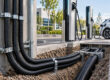
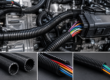
A conduit pipe is like a protective tunnel for electrical wires. Imagine your electrical wires are like soft spaghetti; if you leave them out, they can easily be stepped on or broken. A conduit acts like a hard shell that keeps those wires safe. A Flexible Duct is a special kind of conduit that can bend and twist without snapping. This is very helpful because buildings have lots of corners and narrow spaces where a straight, stiff pipe just wouldn’t fit. These pipes are usually made of strong plastic or metal that is designed to last a long time.
⇒ Why Electrical Safety is So Important?
Safety is the number one priority when we talk about electricity. If a wire gets a small cut or a crack, it can cause a spark. These sparks can lead to fires or give someone a painful electric shock. Because most of our wires are hidden behind walls or under floors, we cannot always see when they are damaged. This is why we need a Flexible Hose Pipe to act as a permanent shield. Keeping our electrical systems safe prevents accidents and ensures that our lights, computers, and appliances work without any sudden problems.
How Flexible Conduit Pipes Protect Electrical Wiring
Flexible conduit pipes work in several ways to keep our wiring systems in top shape. They are much more than just simple tubes.
⇒ The Power of Flexibility in Tight Spaces
In many modern buildings, there is not a lot of extra room. Wires often have to travel through very small gaps or around big support beams. Using a Flexible Duct allows electricians to snake the wires through these difficult paths easily. If they had to use straight pipes, they would have to cut them and join many small pieces together, which takes a lot of time and creates more places where a leak or break could happen. The ability to bend means the wire can follow one continuous, safe path from the power box to the outlet.
⇒ Safety Benefits and Long Life
Using high-quality materials ensures that your safety lasts for decades. A good Flexible Hose Pipe is designed to stay strong even as the building gets older. Over time, buildings can settle or shift slightly. If the pipes were too stiff, they might crack during this movement. Because these pipes are flexible, they can move a little bit along with the building, keeping the wires inside perfectly safe. This long life means you don’t have to worry about replacing your protective pipes every few years.
Where Do We Use These Pipes?
You can find these protective solutions almost everywhere you look. They are essential for a wide range of buildings:
Comparison of Piping Features
| Feature | Flexible Conduit | Standard Rigid Pipe |
| Ease of Bending | Very Easy | Needs special tools to bend |
| Installation Speed | Fast | Slower (needs many joints) |
| Protection Level | High | High |
| Best For | Corners and tight gaps | Long, straight walls |
| Durability | Long-lasting | Long-lasting |
Flexible Conduit Pipe
Flexible Conduit Pipe
Flexible conduit pipes are manufactured using materials like PVC, polyethylene, and metal, each chosen for specific electrical and environmental requirements.
Understanding the Materials
Most of the time, a Flexible Duct is made from a material called PVC or a special type of plastic that does not catch fire easily. This is an extra safety feature. If there is a problem inside the wire, the pipe helps to contain the heat so it doesn’t spread to the rest of the house. This kind of smart design is what makes modern electrical work so much safer than it was in the past. It is always a good idea to check that your Flexible Hose Pipe meets safety standards before it is installed.
Frequently Asked Questions Flexible Conduit Pipes
Yes, there are specific types of flexible conduits made to handle the sun and rain. Always make sure you choose one rated for outdoor use.
Yes, because they are made of insulating materials, they add an extra layer between the live wire and anything that might touch it.
Usually, it is quite easy because the inside of the pipe is very smooth, allowing the wires to slide through without getting stuck.
Electricians use special plastic connectors that snap onto the ends of the pipes to keep them joined tightly.
Actually, they can save money because they are so fast to install and they last for a very long time without needing repairs.
Choosing the Right Path Forward
In conclusion, protecting your electrical system is one of the smartest things you can do for your property. A Flexible Pipe provides the perfect mix of strength and ease of use, ensuring that every corner of your building is wired safely. Whether you are building a new house or fixing up an old office, using a Flexible Duct will help prevent accidents and keep your electricity running smoothly. When you choose a Flexible Hose Pipe, you are making a choice for a safer, more reliable future.
If you are looking for high-quality solutions for your next project, we encourage you to get in touch with our experts at Usha Plastiflex. We have the experience and the right products to help you ensure that your electrical installations are as safe as possible. You can learn more about our pipes and how they can help in your business.